top

Search the HRWC web site   


RIPARIAN BUFFERS

Printable Fact Sheet (pdf)

What is a riparian buffer?

Riparian buffers have a wide variety of benefits ranging from improving water quality to absorbing noise from lake activity.  The best buffers have a variety of vegetation including grasses, trees and shrubs and are least 30 feet wide.

Riparian buffers are strips of land (up to 300 feet wide) bordering streams, lakes, and other bodies of water.  The most functional riparian buffers are vegetated with a variety of native plants, including trees and shrubs. 

Why are riparian buffers important?

Benefits derived from vegetated riparian buffers, especially forested buffers, include: filtering pollution from runoff; trapping excess soil and taking up nutrients; shading the water, keeping water temperatures cooler; acting like a sponge, soaking up rainwater, reducing flooding down-stream and recharging groundwater; helping prevent erosion and loss of land; providing food and shelter for wildlife; absorbing noise from waterfront activity; and providing privacy and shade for picnicking and fishing.


The following list provides more detail about some of the primary functions riparian buffers provide in the landscape:


  • Trap sediment and take up nutrients.  Sediment that is filtered out of runoff from upland areas often carries contaminants that can be harmful to aquatic life and impair water quality.  The soil also contains nutrients, excess concentrations of which can cause water quality and ecological health problems in the receiving waters.  Riparian buffers can often break down these pollutants while utilizing the sediment and nutrients to improve soil conditions.

  • Protect and maintain stream banks.  Root mass from woody vegetation present in buffers helps to reduce soil loss from erosion along lake shorelines and stream banks.  Vegetation from riparian buffers can also work in concert with stream channel functions to create new stream bank, balancing what erosion does occur within the stream channel.

  • Water storage and energy dissipation.  Riparian buffers can reduce damage to property during flood events by slowing floodwaters.  The root mass present in riparian buffers also promotes the absorption of water and helps to recharge nearby aquifers.   Riparian buffers play an important role in regulating surface water flows by helping to hold and slowly release water following storm events.

  • Reduce Nonpoint Source Pollution.  As noted in the first bullet, riparian buffers can filter various pathogens, pollutants and nutrients that are found in stormwater runoff.  Often times, nutrients can be taken up by vegetation within the riparian area, which can promote additional vegetation in the buffer.  This vegetation in turn can be used to process other potential pollutants before they enter the adjacent waterbody.

  • Provide wildlife habitat. Riparian buffers offer a variety of mechanisms for habitat enhancement of both aquatic organisms and terrestrial wildlife.  Areas where riparian buffers are intact can host a multitude of different organisms.  When connected to other buffers and habitats, riparian areas can serve as corridors for the movement and distribution of wildlife.  The continual cycle of nutrient uptake and recycling of compounds trapped aids in the diversity of vegetation present in the buffer and also helps create a varied age-class structure for vegetation present which in turn affects habitat features and organisms present in the buffer

How can one create or enhance riparian buffers?

There are many resources that can help guide you through the process of developing a healthy riparian zone on your property.  Below are the steps you can take to get started, as well as some links to more resources.

  1. Create or obtain a site plan for your property.  This is an aerial view drawing that includes all structures, driveways, paved areas, property lines, creeks, ponds or lakes.

  2. Locate and mark all utility lines and other infrastructure, including septic system field lines.

  3. Locate and mark all natural features such as trees and shrubs, lawns, hills, gullies and wetland areas.  Identify specific plants you may want to encourage that are already growing in the riparian zone, and take note of any existing problem areas such as exposed stream banks. A good field guide can help you identify the plants growing on your property.

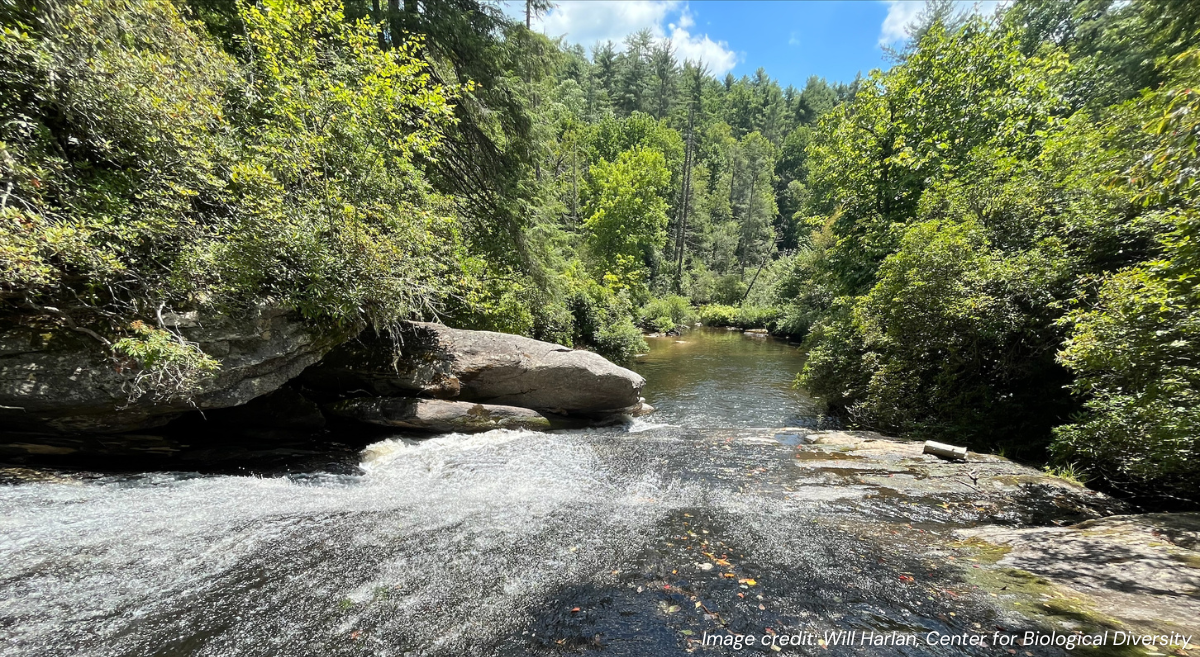
Not everyone finds the most functional riparian buffers (like the one pictured above) aesthetically appealing.  However, any amount of woody vegetation, even if it is a more managed landscape, is better than grass alone

  1. Locate and mark north, south, east and west, and note natural light patterns as they change throughout the day.  The amount of sunlight an area gets will affect how quickly it dries out after rain and what types of plants will be best suited to the site.  Generally, plants that prefer full sun should receive at least 8 hours of direct sunlight each day.  Those that grow well in partial shade should receive 3 to 6 hours of direct sunlight, while those that prefer full shade should get less than 3 hours of sunlight.

  2. Watch and note wildlife that you observe on your property.  A healthy riparian landscape is home to a wide range of birds, mammals, amphibians, reptiles and insects.  Keeping a log of animals you see is an easy way of documenting how successful your efforts have been to restore or maintain the riparian area on your property.  The online catalog at http://www.enature.com/fieldguides/ is a user-friendly tool for identifying animal species in North America.

  3. Note the moisture conditions on your property, keeping track of any localized wet areas such springs, seeps and marshes.

  4. View surrounding property, and consider your neighbors landscape in your own plan.  You may want to screen some areas and frame others, and this can influence which plants you should use for each site. Observing other people’s property where there are similar conditions to yours can also give you ideas for your own project. Take note of what plants are doing well and consider working these in to your plan.

  5. If you live on a lake shoreline, keep in mind that there may be a strip of public land between your property and the water, and in these cases you may need to get a permit from the managing agency (e.g. Tennessee Valley Authority) before planting trees and shrubs or removing brush.

  6. Determine whether or not you have invasive plant species growing on your property.  Several excellent guides to invasive plants are available from the Hiwassee River Watershed Coalition office and through the U.S. Forest Service.  If you have many invasive plants that will need to be removed, technical assistance is available from your local cooperative extension office.  [See below for contact information.]

  7. Try to find native plants that fit your landscaping needs.  Native plant publications are available for free download from the Hiwassee River Watershed Coalition’s web site: http://www.hrwc.net/publications.htm

Why use native plants rather than ornamentals?

Native plants are already adapted to the area.  They are hardy and generally withstand local weather and soil conditions.  As a result, they often require less ongoing maintenance, including watering.  Native plants are naturally resistant to insect pests and diseases and by planting them you are helping prevent establishment and spread of invasive non-native plants.  Plants that are found here inspire a “sense of place” and pride in our mountain communities and promote wise stewardship and conservation of natural resources.  We have a wide variety of beautiful native trees and shrubs.  HRWC’s restoration coordinator is more than willing to help you find a native plant to fit your needs.  [See below for contact information.]

Resources for more information about riparian buffers:

 North Carolina State University, Departments of Soil Science & Biological and Agricultural Engineering

Riparian buffer fact sheets

http://www.soil.ncsu.edu/publications/Soilfacts/Riparian.pdf

http://www.soil.ncsu.edu/publications/BMPs/buffers.html

http://www.bae.ncsu.edu/programs/extension/wqg/sri/riparian5.pdf


Virginia Tech Cooperative Extension

Understanding the Science behind Riparian Buffers: Effects on Water Quality

http://www.ext.vt.edu/pubs/forestry/420-151/420-151.html


Riparian Buffers: Water’s Natural Defense

http://www.riparianbuffers.org/


Environmental Defense

Common Sense Protection of North Carolina’s Water

http://edf.org/documents/2758_NCbuffers.pdf


Georgia Environmental Protection Division

Implications of Changes in Riparian Buffer Protection for Georgia’s Trout Streams

http://www.gaepd.org/Files_PDF/Water/buffer_science.pdf


University of Georgia, Carl Vinson Institute of Government

Protecting Stream and River Corridors (includes a model ordinance)

http://www.rivercenter.uga.edu/publications/pdf/riparian_buffer_guidebook.pdf


USDA Plants Database

http://plants.usda.gov


Natural Resources Conservation Service

Backyard Conservation Tip Sheet – Tree Planting

http://www.nrcs.usda.gov/feature/backyard/treeptg.html

Who can I contact for assistance with riparian buffers and invasive plants?

Hiwassee River Watershed Coalition, Inc

http://www.hrwc.net


Restoration Coordinator

(828) 837-5414 x203

restore@hrwc.net

North Carolina


Cherokee County Cooperative Extension

http://cherokee.ces.ncsu.edu/


(828) 837-2917

doug_clement@ncsu.edu


Clay County Cooperative Extension

http://clay.ces.ncsu.edu/


 (828) 389-6035

silas_brown@ncsu.edu

Georgia


Towns County Cooperative Extension

http://www.ugaextension.com/towns/


(706) 896-2024

rbrewer@uga.edu


Union County Cooperative Extension

http://www.ugaextension.com/union/


(706) 439-6030

coosa@uga.edu


Top of the Page


Need HRWC Web Site Assistance? Email the Web Site Administrator.

Copyright © 2004-2011 HRWC